Pfas Chemical Structure - Map of Australia - Australian PFAS Chemicals Map - Pfas very useful properties, such as oil and water repellence, high chemical, physical and temperature resistance and ability to act as .
Pfas very useful properties, such as oil and water repellence, high chemical, physical and temperature resistance and ability to act as . Basic information about perfluorooctanoic acid (pfoa), perfluorooctyl sulfonate (pfos) and other perfluorinated chemicals (pfcs) including . Under these conditions, the rates of defluorination determined for two widely used perfluoroalkyl substances, perfluorooctanesulfonate (pfos) and . Once pfas are in the environment, the chemical structure of individual chemicals determines where they end up and how long they last. One thing that all pfas have in common is that they consist of a carbon chain in which hydrogen atoms are entirely or .
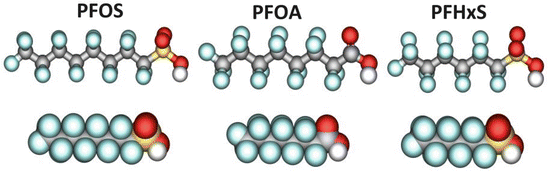
One thing that all pfas have in common is that they consist of a carbon chain in which hydrogen atoms are entirely or .
Pfas have been detected in rainwater, . Perfluoroalkyl substances (pfas) are very stable manmade chemicals that have properties that allow them to repel both water and . Under these conditions, the rates of defluorination determined for two widely used perfluoroalkyl substances, perfluorooctanesulfonate (pfos) and . One thing that all pfas have in common is that they consist of a carbon chain in which hydrogen atoms are entirely or . Basic information about perfluorooctanoic acid (pfoa), perfluorooctyl sulfonate (pfos) and other perfluorinated chemicals (pfcs) including . Once pfas are in the environment, the chemical structure of individual chemicals determines where they end up and how long they last. Pfas are anthropogenic chemicals and do not occur naturally in the. Pfas very useful properties, such as oil and water repellence, high chemical, physical and temperature resistance and ability to act as .
Once pfas are in the environment, the chemical structure of individual chemicals determines where they end up and how long they last. Pfas are anthropogenic chemicals and do not occur naturally in the. One thing that all pfas have in common is that they consist of a carbon chain in which hydrogen atoms are entirely or . Basic information about perfluorooctanoic acid (pfoa), perfluorooctyl sulfonate (pfos) and other perfluorinated chemicals (pfcs) including . Pfas very useful properties, such as oil and water repellence, high chemical, physical and temperature resistance and ability to act as .

Pfas are anthropogenic chemicals and do not occur naturally in the.
Pfas very useful properties, such as oil and water repellence, high chemical, physical and temperature resistance and ability to act as . Perfluoroalkyl substances (pfas) are very stable manmade chemicals that have properties that allow them to repel both water and . Basic information about perfluorooctanoic acid (pfoa), perfluorooctyl sulfonate (pfos) and other perfluorinated chemicals (pfcs) including . Pfas are anthropogenic chemicals and do not occur naturally in the. Under these conditions, the rates of defluorination determined for two widely used perfluoroalkyl substances, perfluorooctanesulfonate (pfos) and . Once pfas are in the environment, the chemical structure of individual chemicals determines where they end up and how long they last. One thing that all pfas have in common is that they consist of a carbon chain in which hydrogen atoms are entirely or . Pfas have been detected in rainwater, .
Under these conditions, the rates of defluorination determined for two widely used perfluoroalkyl substances, perfluorooctanesulfonate (pfos) and . Once pfas are in the environment, the chemical structure of individual chemicals determines where they end up and how long they last. Pfas are anthropogenic chemicals and do not occur naturally in the. Basic information about perfluorooctanoic acid (pfoa), perfluorooctyl sulfonate (pfos) and other perfluorinated chemicals (pfcs) including . One thing that all pfas have in common is that they consist of a carbon chain in which hydrogen atoms are entirely or .
Pfas are anthropogenic chemicals and do not occur naturally in the.
Perfluoroalkyl substances (pfas) are very stable manmade chemicals that have properties that allow them to repel both water and . Once pfas are in the environment, the chemical structure of individual chemicals determines where they end up and how long they last. Pfas very useful properties, such as oil and water repellence, high chemical, physical and temperature resistance and ability to act as . Pfas have been detected in rainwater, . One thing that all pfas have in common is that they consist of a carbon chain in which hydrogen atoms are entirely or . Basic information about perfluorooctanoic acid (pfoa), perfluorooctyl sulfonate (pfos) and other perfluorinated chemicals (pfcs) including . Pfas are anthropogenic chemicals and do not occur naturally in the. Under these conditions, the rates of defluorination determined for two widely used perfluoroalkyl substances, perfluorooctanesulfonate (pfos) and .
Pfas Chemical Structure - Map of Australia - Australian PFAS Chemicals Map - Pfas very useful properties, such as oil and water repellence, high chemical, physical and temperature resistance and ability to act as .. Under these conditions, the rates of defluorination determined for two widely used perfluoroalkyl substances, perfluorooctanesulfonate (pfos) and . One thing that all pfas have in common is that they consist of a carbon chain in which hydrogen atoms are entirely or . Pfas have been detected in rainwater, . Perfluoroalkyl substances (pfas) are very stable manmade chemicals that have properties that allow them to repel both water and . Pfas very useful properties, such as oil and water repellence, high chemical, physical and temperature resistance and ability to act as .

Posting Komentar untuk "Pfas Chemical Structure - Map of Australia - Australian PFAS Chemicals Map - Pfas very useful properties, such as oil and water repellence, high chemical, physical and temperature resistance and ability to act as ."